
At Ensto, the principles of the circular economy are part of everyday operations at our manufacturing plants. By reducing the use of virgin raw materials, extending the life cycle of materials, and maximizing recycling and the use of renewable energy, Ensto’s factories are moving steadily toward a more sustainable and resource-efficient operating model.
Reducing the Use of Raw Materials and Energy
The circular economy starts with minimizing inputs. In product design, Ensto increasingly selects smarter material solutions for manufacturing – such as sourcing profiles instead of full solid bars –which reduces raw material consumption already at the procurement stage. Investments in energy-efficient machines further reduce energy demand while supporting high-quality production.
Energy sourcing is another key focus area. Ensto’s factories in Estonia, Finland, and France use 100% renewable electricity, while in India the share of renewable electricity is currently around 40%. Solar panels installed at several sites already cover – depending on the location – up to 30% of electricity consumption, and the share is still growing.
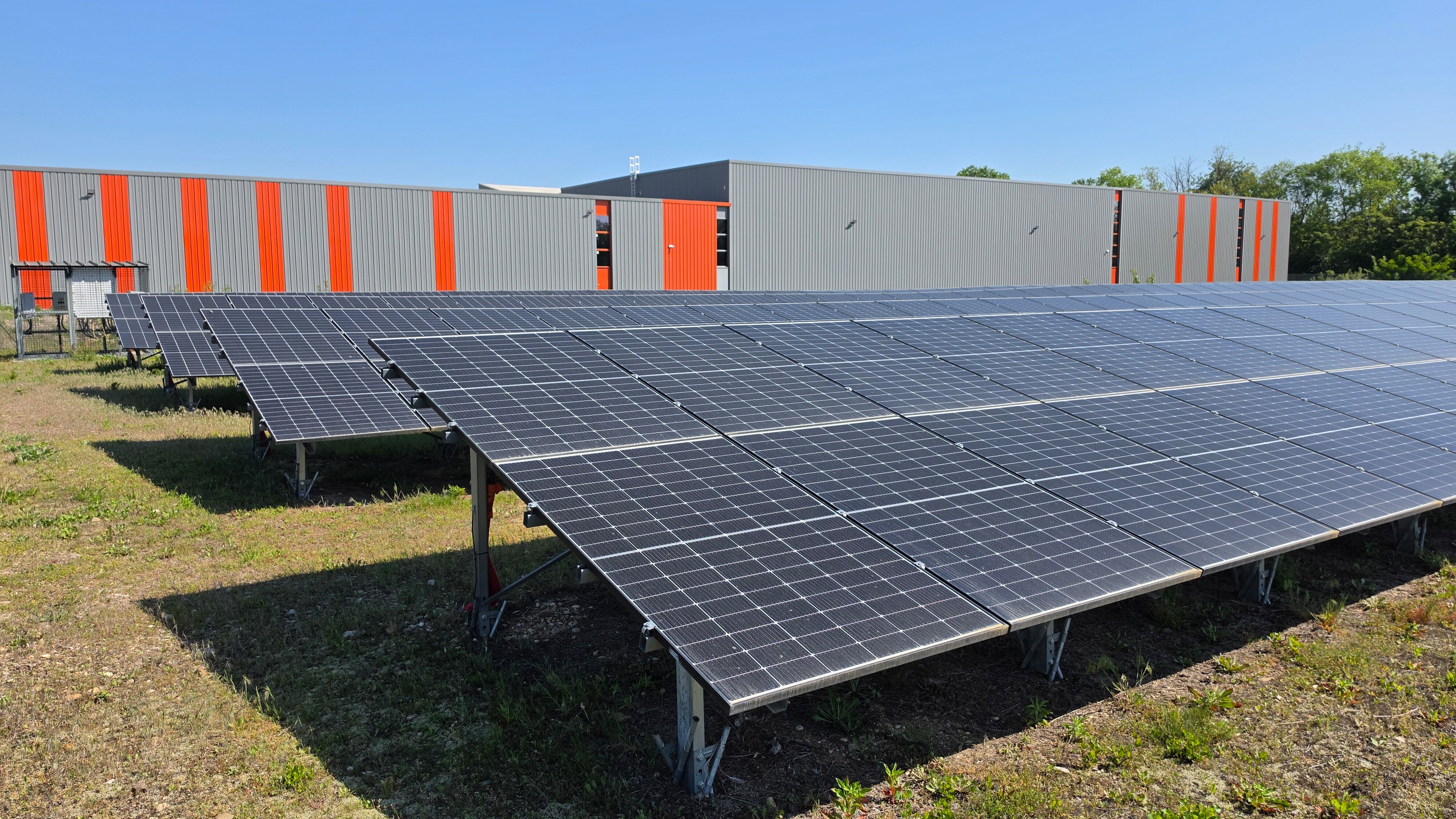
Estonia, Finland, and France use 100% renewable electricity. The picture is from Ensto's factory in Villefranche-sur-Saône, France.
In addition, closed-loop cooling systems and other local solutions help reduce the need for fresh water. Ensto actively aims to maximize the use of renewable energy in electricity, heating, and cooling whenever possible. 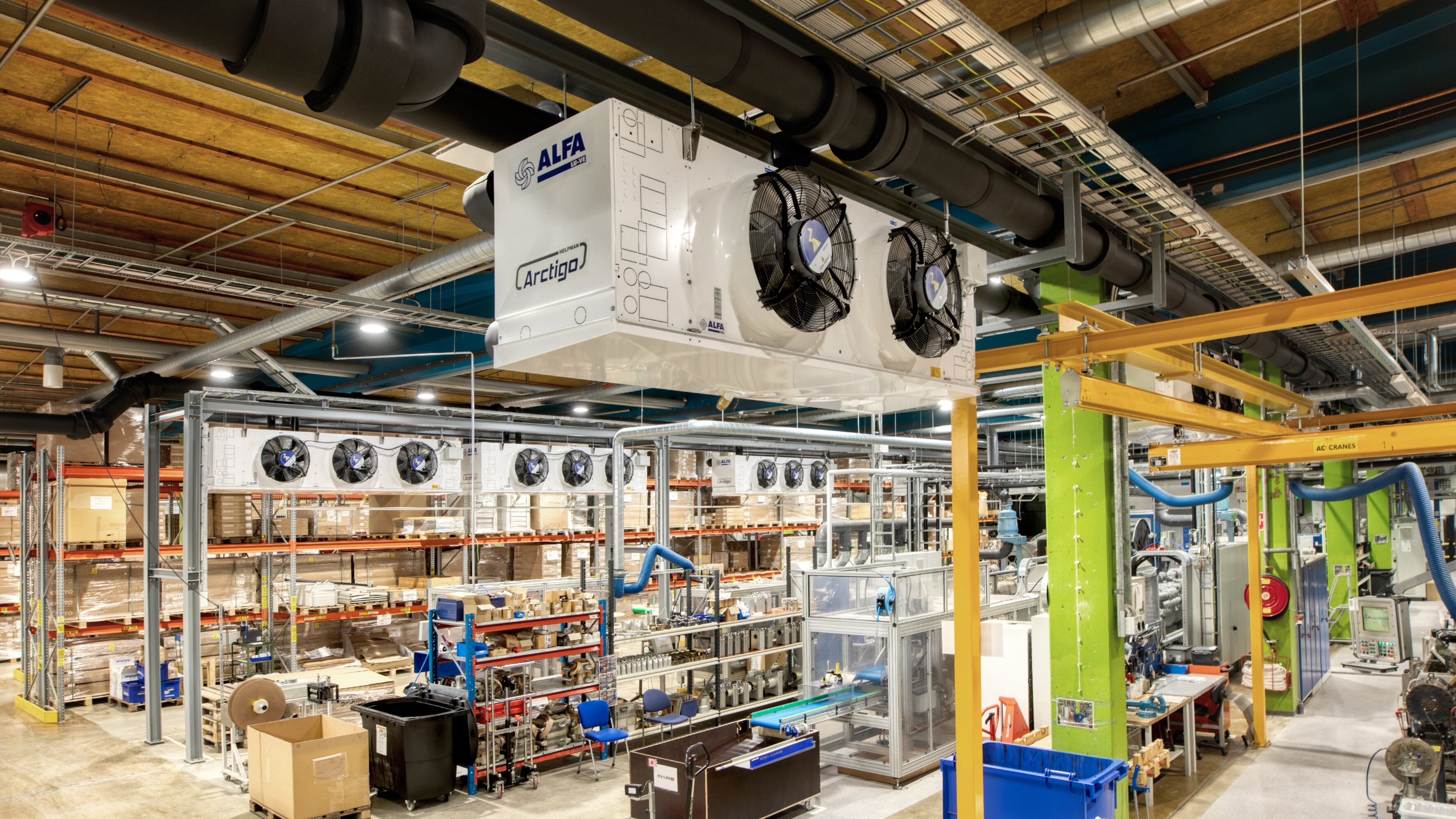 Cooling system at Ensto factory in Porvoo, Finland.
Reusing Materials and Energy in Our Own Operations
Extending the life cycle of materials within our own operations is at the core of Ensto’s circular economy approach. Plastic raw materials are ground and reused directly in production processes, reducing both waste and the need for virgin materials. Packaging materials such as plywood and cardboard are reused in internal deliveries, reducing single-use packaging.
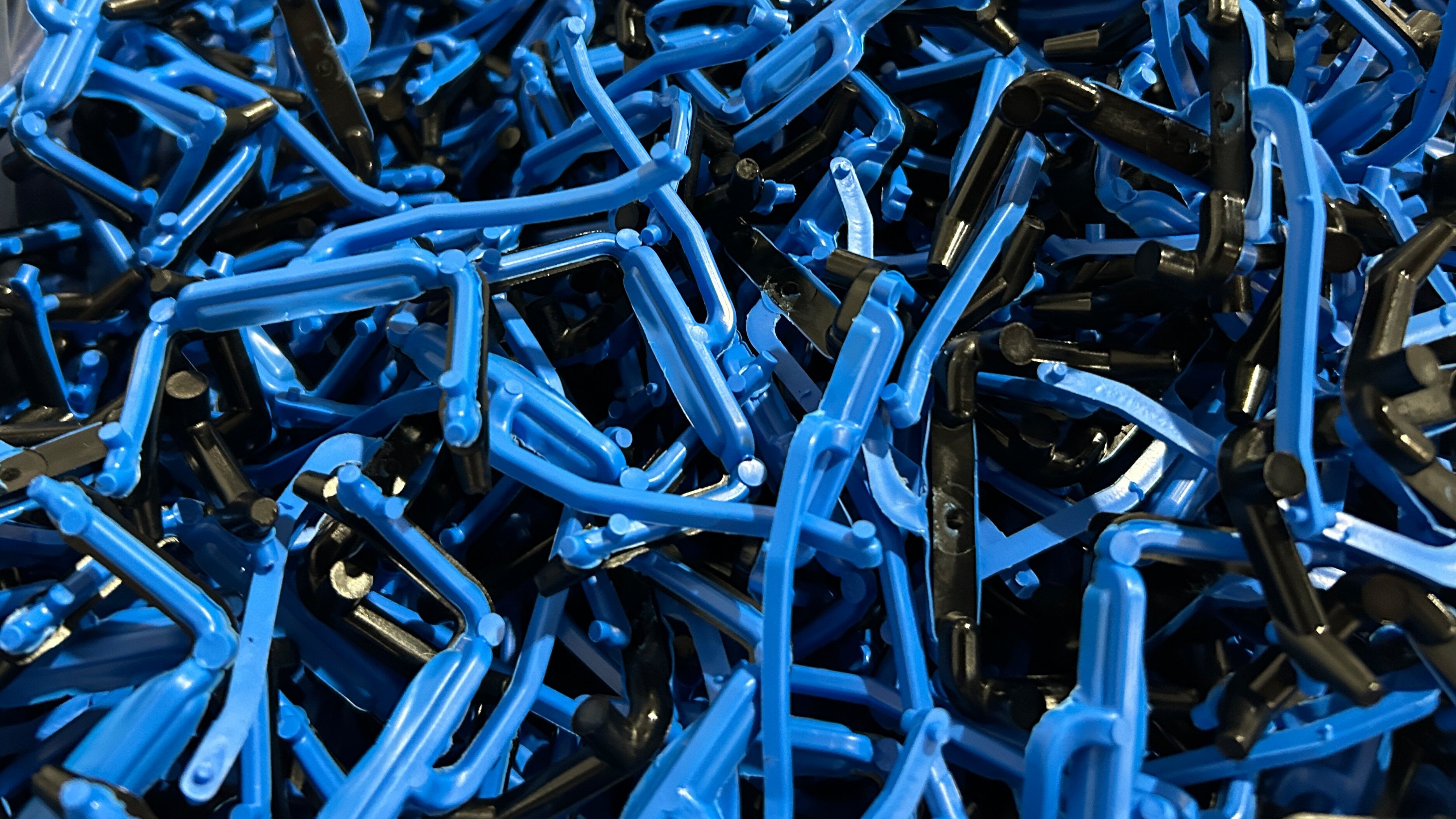 Plastics are ground and reused in production at Ensto factory in Porvoo.
In Finland, all process water is recycled through Ensto’s own wastewater treatment and purification process, allowing the water to be safely reused in operations. This not only supports internal reuse but also ensures that the water returned to the environment meets strict quality requirements and supports circular water management beyond the factory site as well.
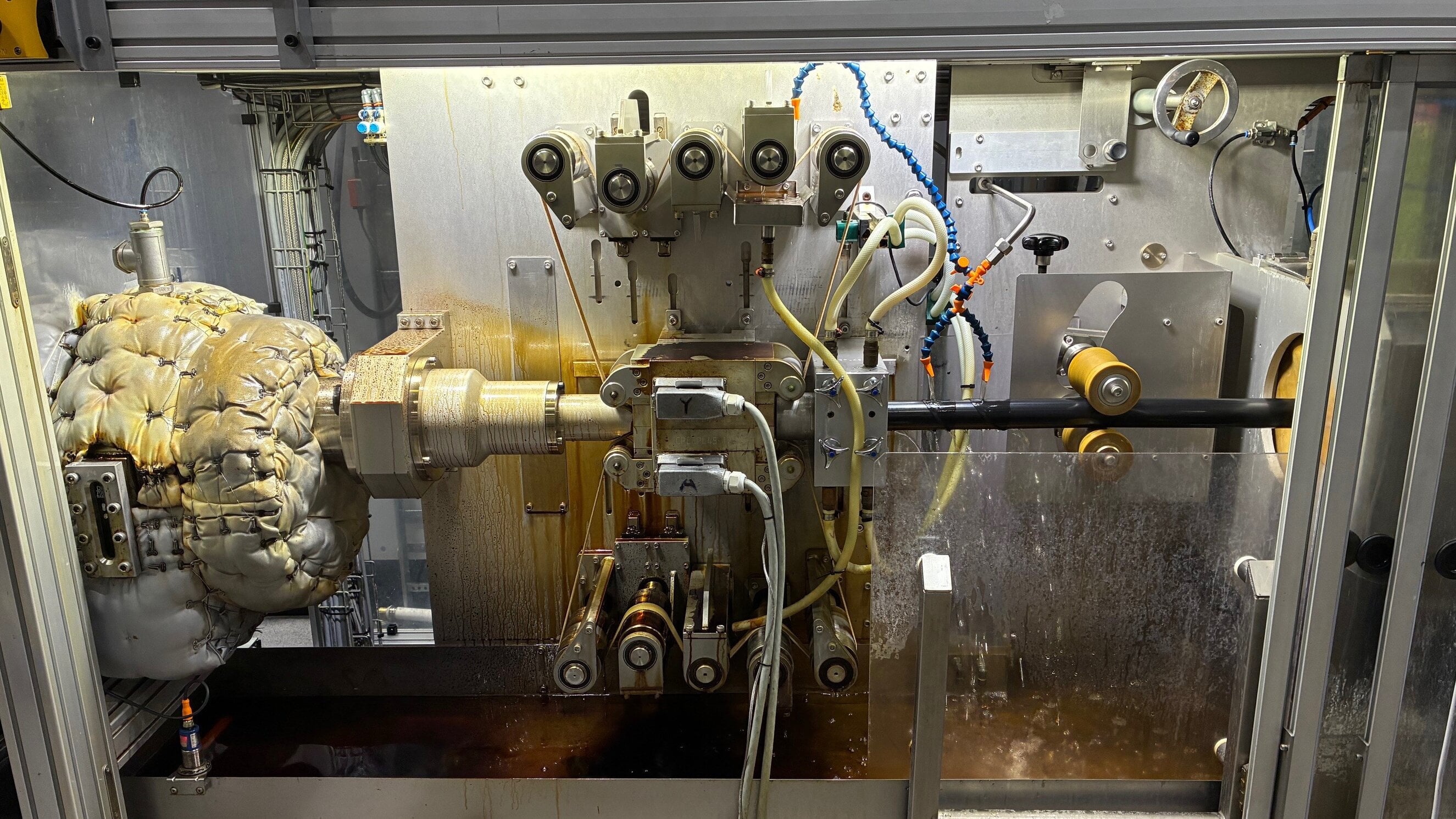 Closed-loop cooling system in Porvoo reduce fresh-water needs.
Innovative Use of Waste Heat
Energy is also kept in circulation. At Ensto’s factory in Finland, a new waste heat recovery solution will enable recovered heat to be reused and improve overall energy efficiency. The initiative is part of the Energy Center project, developed in cooperation with Porvoon Energia and IOTOI. The project will introduce an innovative waste heat recovery system that captures surplus heat from industrial processes and feeds it directly into Porvoo’s district heating network.
Through this circular energy model, the Energy Center aims to cover 2–3% of the city’s annual district heating demand, reduce the need for virgin energy, and support local sustainability goals. Benefits for the community include lower emissions and a more reliable energy infrastructure, strengthening Ensto’s commitment to practical and scalable circular economy solutions. The Energy Center is expected to be ready in 2026.
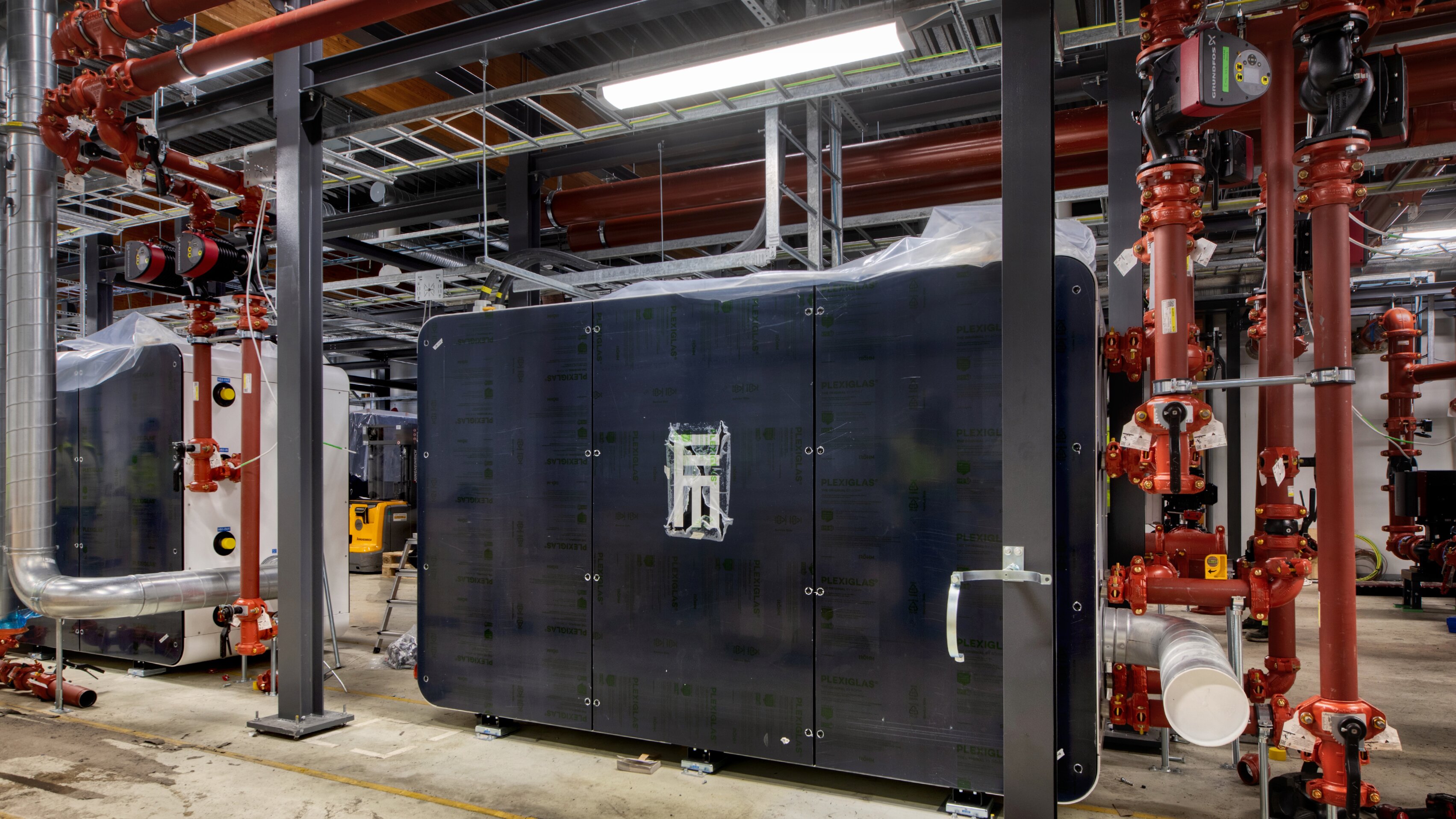 An Energy Center is being built to Ensto's premises in Porvoo to utilise the waste heat of the Ensto factory.
External Reuse of Materials
When materials cannot be reused internally, Ensto prioritizes external reuse. Process residues, such as metal raw materials, are sold for reuse, keeping valuable resources in circulation beyond Ensto’s own operations as well. EPAL pallets are used at the factories, ensuring standardized and reusable logistics solutions and reducing the need for single-use pallets.
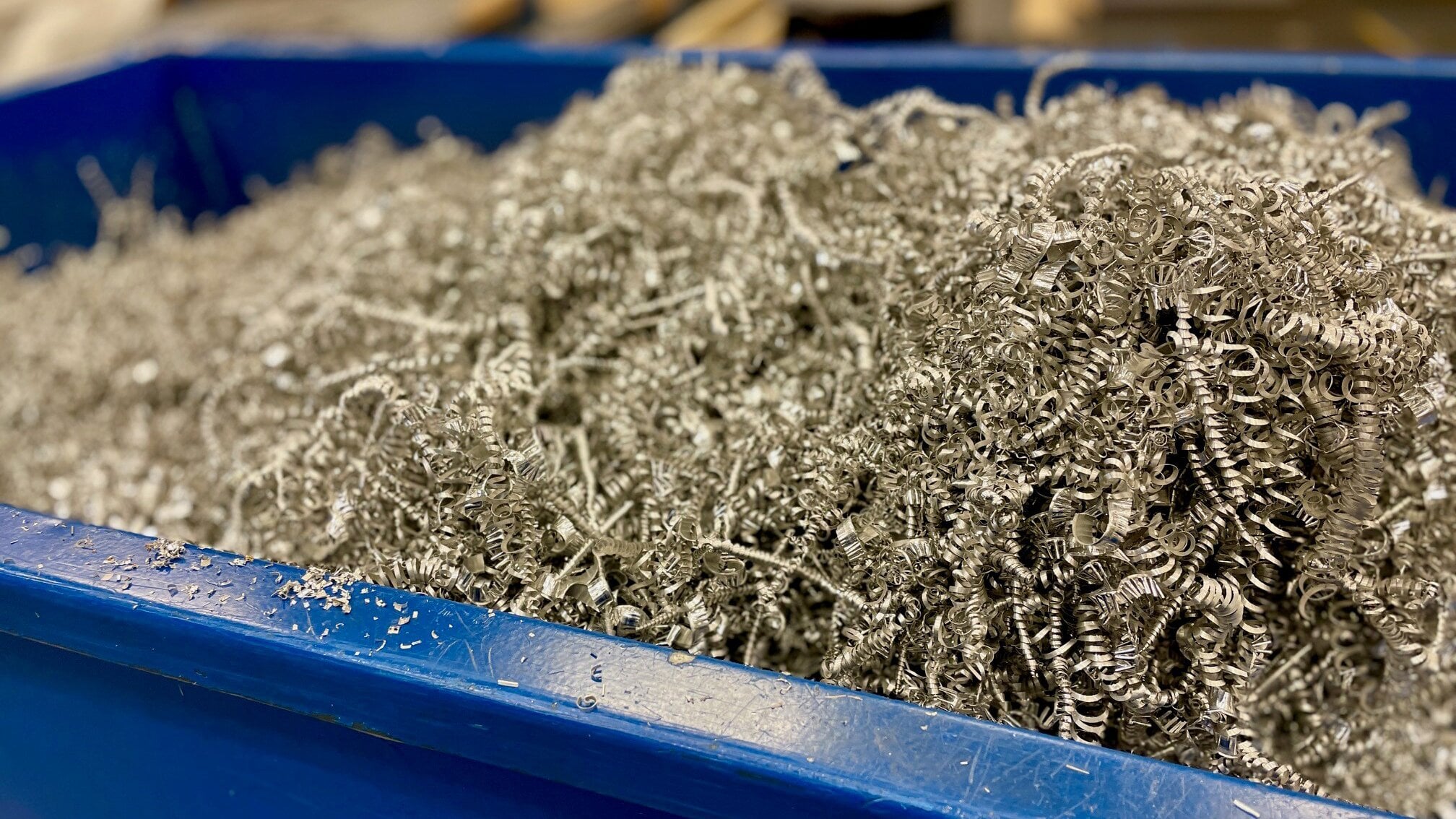 Certain process residues are sold for reuse.
Recycling as an Established Practice
Recycling is an established practice at all Ensto factories. Waste is carefully sorted in Finland, Estonia, and France to ensure efficient recycling. In India, recycling is handled by a certified third-party partner to ensure responsible waste management. While most materials are reused or recycled, certain material streams – such as the liquid silicone rubber used in Estonia – are challenging to reuse. However, we are exploring opportunities to convert these residues into silicone oil for further use.
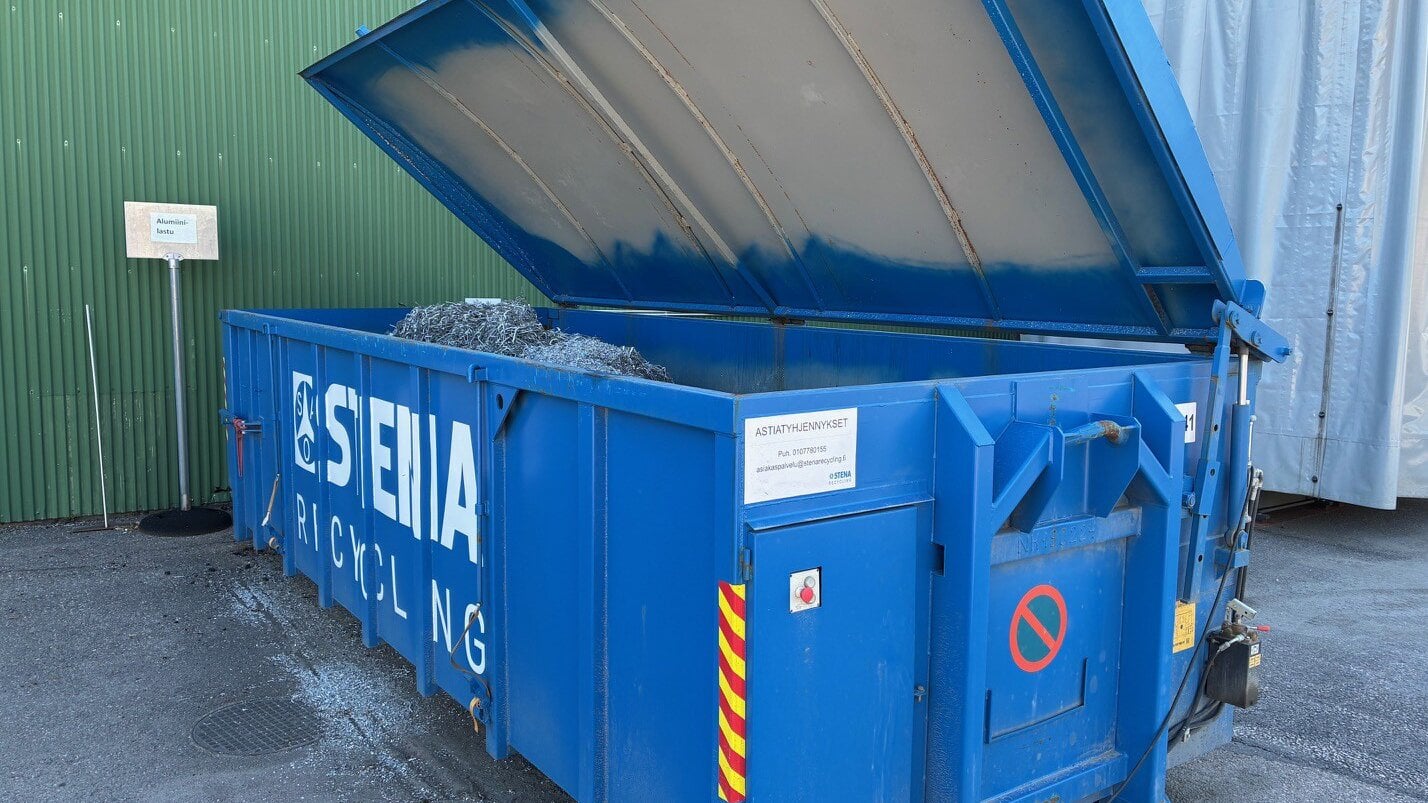
Waste sorting and recycling is established at all sites.
A Practical Circular Economy Model
Through these actions, Ensto’s factories follow a practical circular economy model: fewer raw materials, less waste, and lower emissions. By reducing inputs, reusing materials and energy whenever possible, and recycling responsibly, Ensto strengthens the circular economy across its entire manufacturing network – turning sustainability targets into concrete actions on the factory floor.


